
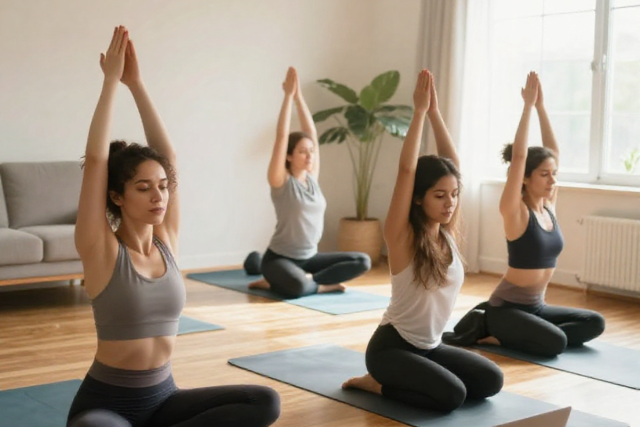
In recent years, yoga has moved far beyond studio walls. With busy schedules, rising costs, and the growing need for flexibility, more people are turning to the best at-home yoga programs to support their physical and mental well-being. Practicing yoga at home is no longer a compromise-it’s a powerful and accessible way to build strength, mobility, and inner calm on your own terms.
This guide explores why at-home yoga programs are gaining popularity, what makes a program truly effective, and how to choose one that fits your lifestyle and goals.
Why At-Home Yoga Programs Are More Popular Than Ever
One of the biggest advantages of at-home yoga is convenience. You don’t need to commute, match a studio schedule, or feel self-conscious in a crowded class. Whether you have 10 minutes in the morning or a full hour in the evening, practicing at home allows you to adapt yoga to your daily rhythm.
Another key benefit is consistency. Many people struggle to maintain a regular practice when classes are tied to fixed times. At-home yoga programs remove that barrier, making it easier to stay committed over the long term. Consistency, after all, is where real transformation happens in yoga.
Cost is also a factor. Studio memberships can be expensive, while at-home yoga programs often provide excellent value through subscriptions, on-demand libraries, or structured courses at a fraction of the price.
What Defines the Best At-Home Yoga Programs?
Not all at-home yoga programs are created equal. The best ones offer more than just random workout videos. They provide structure, guidance, and progression-key elements for sustainable growth.
A high-quality at-home yoga program typically includes:
- Clear sequencing that builds strength and flexibility safely
- Experienced instructors who explain poses and alignment clearly
- Programs for different levels, from beginners to advanced practitioners
- Balanced practices, including strength, mobility, breathwork, and relaxation
- Consistency and progression, helping you improve over time
Programs that focus only on intensity or aesthetics often miss the deeper benefits of yoga. The best at-home yoga programs prioritize longevity, mindfulness, and overall well-being.
Benefits of Practicing Yoga at Home
At-home yoga supports both physical and mental health in meaningful ways. Physically, regular practice improves posture, flexibility, balance, and core strength. It also helps reduce muscle tension caused by long hours of sitting or stress.
Mentally, yoga at home provides space for reflection and calm. Without external distractions, practitioners often find it easier to connect with their breath and body. Many people report reduced stress, improved sleep, and better emotional regulation after committing to a consistent at-home practice.
Another underrated benefit is personalization. At home, you can pause, repeat, or modify poses without pressure. This allows you to honor your body’s needs, which is essential for injury prevention and long-term practice.
How to Choose the Right At-Home Yoga Program for You
Choosing from the many available options can feel overwhelming. Start by identifying your primary goal. Are you looking to increase flexibility, manage stress, build strength, or develop a deeper yoga practice?
Beginners should look for programs that focus on fundamentals, alignment cues, and slower pacing. Intermediate or advanced practitioners may benefit from programs that incorporate strength flows, breathwork, or longer sessions.
It’s also important to consider the teaching style. Some people prefer calm, meditative guidance, while others enjoy a more energetic approach. Many of the best at-home yoga programs offer trial periods or sample classes-use these to see if the instructor’s style resonates with you.
Creating a Sustainable Home Yoga Routine
Even the best program won’t help if it’s not used consistently. Creating a simple routine is key. Choose a dedicated space, even if it’s just a corner of a room, and keep your mat accessible. Removing friction makes practice easier to maintain.
Start small. Ten to twenty minutes a day is often more effective than sporadic long sessions. Over time, your practice will naturally expand as your body and mind adapt.
Tracking progress-whether through journaling, habit tracking, or simply noticing how you feel-can also reinforce motivation. Many at-home yoga programs include calendars or challenges that support accountability.
The Future of At-Home Yoga
As technology evolves, at-home yoga programs are becoming more immersive and personalized. From guided breathwork and meditation to hybrid programs that blend yoga with mobility or mindfulness, the future of yoga is increasingly flexible and inclusive.
At-home yoga is no longer just an alternative-it’s a sustainable, effective way to practice yoga for life. With the right program, you can cultivate strength, balance, and peace from the comfort of your own home.
Final Thoughts
Finding the best at-home yoga programs is about more than convenience-it’s about creating a practice that supports your body, mind, and lifestyle. With thoughtful structure, skilled instruction, and consistent effort, practicing yoga at home can be just as transformative as attending a studio.
Whether you’re new to yoga or deepening an existing practice, the right at-home program can empower you to move, breathe, and live with greater awareness-anytime, anywhere.


MOST COMMENTED
Dental Safety
The Importance of Regular Dental Cleanings: How Preventive Care Leads to a Healthier, More Confident Smile
Shopping
Investing in Timelessness: How to Choose the Perfect Black Jacket
Yoga
Best At-Home Yoga Programs: A Practical Guide to Building a Consistent Yoga Practice Anywhere
Trading
Why Stock Traders Are Moving Away from Personal Capital?
Wholesale distributor
Choosing the Right Gutter Guard: When Under-Shingle Systems Make the Most Sense
Battery store
How to Choose the Right UPS Battery for Office and Data Centers
Shipping
The Importance of Vessel Agency in Global Shipping: Managing Port Calls, Documentation, and Local Regulations