
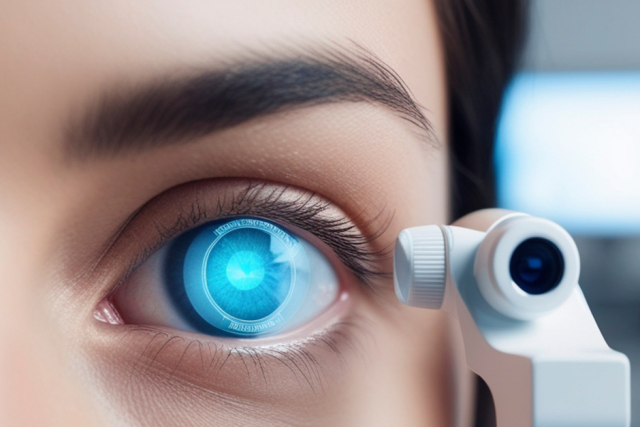
Adults experience gradual vision changes which serve as indicators for severe eye disorders. The regular eye examinations that adults and seniors undergo help identify common eye diseases which include glaucoma and cataracts and macular degeneration that can lead to vision loss. The process of detecting eye conditions at an early stage enables doctors to provide necessary medical care which helps patients preserve their ability to see and their eye health throughout their lives.
1. Detecting Glaucoma Early
Glaucoma is often called the “silent thief of sight” because it develops slowly and may not show symptoms until significant vision loss occurs. The optometrist uses a complete eye exam to evaluate your eyes through three different tests which include: 1) measuring your intraocular pressure (IOP), 2) investigating your optic nerve for signs of harm, and 3) evaluating your visual field alterations. The first signs of the disease enable doctors to apply treatment methods which include medication and laser treatment and surgical procedures to halt the disease’s progress and maintain the patient’s eyesight.
2. Identifying Cataracts
Cataracts develop as a natural eye condition which affects people when they reach advanced age because the eye lens becomes cloudy and this leads to vision problems which result in dim or blurry sight. Your optometrist can use an eye exam to:
- Detect lens clouding before vision becomes noticeably impaired
- Assess the impact on daily activities
- Recommend timely cataract surgery when necessary
Early detection enables patients to preserve their vision and their ability to live life.
3. Recognizing Macular Degeneration
Macular degeneration affects the central part of the retina (the macula), whichmakes it difficult for people to read and drive and identify faces. The eye exams provide their value through retinal imaging and dilation tests that enable macula examination and early detection of age-related macular degeneration (AMD) and disease progression control through lifestyle and nutritional and treatment option guidance.
4. Comprehensive Eye Exams Are the Key
The advanced diagnostic tests and professional evaluation methods of adult senior eye examinations use multiple assessment techniques which include Visual acuity testing and Retinal imaging and Glaucoma screening and Corneal and lens assessment. The complete evaluation process enables eye care specialists to detect eye conditions at their initial stage which occurs before patients show any visible symptoms.
Conclusion
The examination of eyes for adults and seniors should occur at regular intervals because it serves as an essential method to stop vision loss caused by glaucoma, cataracts, and macular degeneration. People who follow active eye care routines will gain two advantages because they will detect their vision problems at the first signs and receive proper treatment which will help them maintain their eyesight throughout their lives.

MOST COMMENTED
Eye Care
How Adult Senior Eye Exams Help Detect Glaucoma, Cataracts, and Macular Degeneration
Architecture and Design Studio
Por qué el diseño paisajístico ecológico es esencial para proyectos de hostelería y bienestar sostenibles
spiritual energy
What a Spiritual Growth Reading Can Tell You About Patterns Repeating in Your Life
Financial Advisors
How Wealth Management Firms in Delaware Help Clients Protect What They’ve Built
Beauty
How UK Luxury Wig Stores Differ from Standard Hair Retailers
Insurance
How Contractor Insurance Coverage Is Structured for Construction Businesses
Travel and Tourism
La contribución de las agencias de viajes modernas a experiencias internacionales bien conectadas