
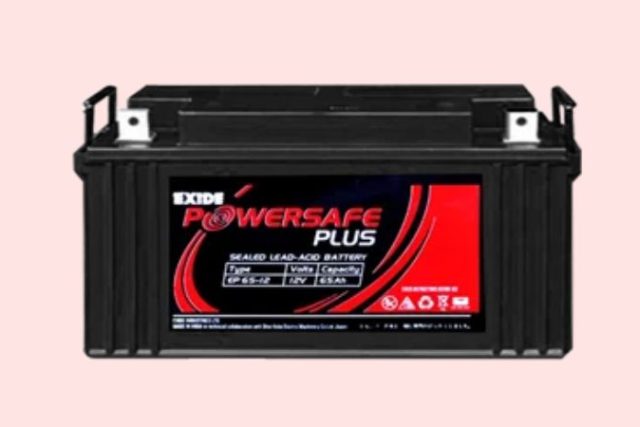
In today’s digital-driven environment, uninterrupted power is critical for offices and data centers. Even a few minutes of power failure can lead to data loss, system crashes, and financial damage. This is where a UPS Battery plays a vital role. Choosing the right UPS battery ensures a continuous power supply, protects sensitive equipment, and maintains business continuity. Understanding key factors before making a decision can help you select the most reliable solution.
Understanding the Role of a UPS Battery
A UPS (Uninterruptible Power Supply) battery provides instant backup power when the main electricity supply fails. Unlike generators, which take time to start, a UPS battery activates immediately, allowing systems to run safely or shut down properly. In offices and data centers, UPS batteries support servers, computers, networking devices, security systems, and critical infrastructure.
Assess Your Power Requirements
The first step in choosing the right UPS battery is understanding your power needs. Calculate the total load of all equipment that must stay operational during a power outage. This includes servers, desktops, routers, switches, and storage systems.
Data centers usually require higher capacity and longer backup time, while offices may need shorter runtime but stable performance. Knowing your load requirements helps you select a UPS battery with the correct capacity and runtime.
Choose the Right Battery Type
Different UPS batteries are designed for different use cases. The most common types include:
Lead-Acid Batteries
These are widely used due to their affordability and reliability. They are suitable for small to medium office setups but require regular maintenance and have a shorter lifespan.
Lithium-Ion Batteries
Lithium-ion UPS batteries are more compact, lightweight, and long-lasting. They offer higher efficiency and lower maintenance, making them ideal for data centers and modern office environments.
VRLA Batteries
Valve-regulated lead-acid batteries are sealed and maintenance-free. They are commonly used in UPS systems where safety and ease of use are important.
Choosing the right type depends on budget, space availability, and long-term operational goals.
Consider Backup Runtime
Backup runtime refers to how long the UPS battery can supply power during an outage. Offices may only need enough time to save work and shut down systems safely, while data centers often require extended runtime until generators take over.
Always select a UPS battery that offers sufficient backup time based on your business operations. Underestimating runtime can lead to sudden shutdowns and equipment damage.
Evaluate Scalability and Future Expansion
Business needs grow over time. When choosing a UPS battery, consider whether the system allows scalability. Modular UPS systems with expandable battery banks are ideal for data centers expecting future expansion.
Planning avoids frequent upgrades and reduces long-term costs.
Focus on Battery Lifespan and Maintenance
The lifespan of a UPS battery directly affects operational reliability and cost. Lead-acid batteries typically last 3–5 years, while lithium-ion batteries can last up to 10 years.
Maintenance requirements should also be considered. Batteries with minimal maintenance reduce downtime and operational effort, which is especially important for large facilities.
Ensure Compatibility and Safety Standards
Always ensure the UPS battery is compatible with your UPS system and meets industry safety standards. Certified batteries offer better performance, protection against overcharging, and thermal stability.
For data centers, compliance with safety and environmental regulations is essential to avoid risks and penalties.
Conclusion
Selecting the right UPS battery for offices and data centers is a critical decision that impacts reliability, efficiency, and long-term costs. By understanding power requirements, choosing the right battery type, considering runtime, and planning for future growth, businesses can ensure uninterrupted operations. A well-chosen UPS battery not only protects valuable equipment but also provides peace of mind in an increasingly power-dependent world.


MOST COMMENTED
Dental Safety
The Importance of Regular Dental Cleanings: How Preventive Care Leads to a Healthier, More Confident Smile
Shopping
Investing in Timelessness: How to Choose the Perfect Black Jacket
Yoga
Best At-Home Yoga Programs: A Practical Guide to Building a Consistent Yoga Practice Anywhere
Trading
Why Stock Traders Are Moving Away from Personal Capital?
Wholesale distributor
Choosing the Right Gutter Guard: When Under-Shingle Systems Make the Most Sense
Battery store
How to Choose the Right UPS Battery for Office and Data Centers
Shipping
The Importance of Vessel Agency in Global Shipping: Managing Port Calls, Documentation, and Local Regulations