
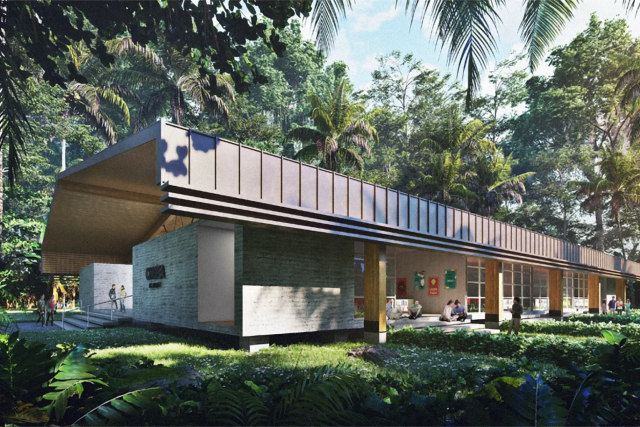
Interior design today operates at the intersection of aesthetics, functionality and behavioral science. It’s not just about how a space looks – it’s about how it works on people. In Costa Rica, where lifestyle is closely tied to nature, climate, and well-being, this relationship becomes even more pronounced. For homeowners and developers exploring interior design Costa Rica, understanding how design influences behavior can lead to spaces that actively improve daily life supporting relaxation, productivity, and social connection.
The Psychology behind Interior Design
Every design decision sends signals to the brain. Layouts, light, textures, and spatial organization subtly guide how people move, feel, and interact.
Well-designed interiors can:
- Reduce stress and cognitive overload
- Encourage social interaction or privacy when needed
- Improve focus and productivity
- Support healthier daily routines
In tropical environments like Costa Rica, these psychological responses are amplified by natural factors such as sunlight, airflow, and proximity to greenery.
Why It Matters in Costa Rican Homes
Homes in Costa Rica often prioritize openness and a strong indoor-outdoor connection. This creates a unique design challenge: balancing environmental exposure with comfort and usability.
Rather than rigidly structured interiors, spaces tend to feel fluid and adaptive. This makes psychological planning essential because without it, open layouts can easily become chaotic or inefficient.
Spatial Layouts and Human Behavior
The way a home is organized directly influences how people use it. A poorly planned layout can create friction, while an intentional one promotes ease and flow.
In modern homes, spatial planning typically focuses on:
- Seamless transitions between living, dining, and kitchen areas
- Clear circulation paths that reduce unnecessary movement
- Defined zones that maintain function without isolating spaces
Open-plan living, common in interior design Costa Rica, encourages interaction but still requires subtle zoning to avoid visual and functional clutter.
Natural Light and Emotional Well-Being
Costa Rica’s climate offers abundant daylight, which is a major asset in interior design. Natural light has a measurable impact on mental and physical health.
Spaces that maximize daylight tend to:
- Improve mood and reduce anxiety
- Regulate circadian rhythms for better sleep
- Enhance perception of space and openness
Designing for light isn’t just about adding windows, it’s about orientation, shading, and how light moves through the space throughout the day.
The Role of Nature in Interior Spaces
One of the most powerful behavioral drivers in design is the connection to nature. This is especially relevant in Costa Rica, where landscapes are a defining feature of daily life.
Biophilic design integrates natural elements into interiors in a way that feels organic rather than decorative. This can include materials, views, or spatial relationships that blur the boundary between inside and outside.
When done correctly, it creates environments that feel calmer, more grounded, and more restorative.
Color and Materiality in Behavioral Design
Colors and materials shape perception on a subconscious level. In tropical contexts, overly bright or artificial palettes can feel overwhelming, while natural tones tend to create balance.
Common approaches in Costa Rican interiors include:
- Earth tones that reflect the surrounding landscape
- Textured materials like wood and stone for warmth
- Neutral bases with subtle contrasts for visual clarity
These choices contribute to a sense of calm and continuity between architecture and environment.
Designing for Modern Living Patterns
Today’s homes are no longer single-purpose environments. They need to support work, relaxation, and social interaction often within the same footprint.
This shift has led to more flexible interior strategies. Instead of rigid room definitions, spaces are designed to adapt throughout the day.
For example, a living area might function as:
- A workspace during the day
- A social hub in the evening
- A relaxation zone at night
This adaptability is essential in contemporary interior design Costa Rica, where lifestyle tends to be fluid and less compartmentalized.
Indoor-Outdoor Integration
One of the defining characteristics of Costa Rican homes is the seamless transition between indoor and outdoor spaces. This isn’t just an aesthetic choice, it directly affects behavior and well-being.
When interiors open to terraces, gardens, or courtyards, it:
- Encourages movement and activity
- Improves natural ventilation
- Enhances connection to the environment
The result is a living experience that feels less confined and more aligned with natural rhythms.
Avoiding Common Design Pitfalls
Even visually appealing interiors can fail if they don’t account for human behavior. Some common issues arise when design prioritizes form over function.
Key problems to watch for include:
- Overcrowded layouts that restrict movement
- Poor lighting that creates discomfort or fatigue
- Lack of ventilation in a tropical climate
- Excessive visual noise from too many competing elements
Addressing these early in the design process ensures the space remains both functional and enjoyable over time.
Sustainability as a Behavioral Tool
Sustainable design is often discussed in terms of materials and energy use, but it also influences behavior. Spaces designed with sustainability in mind tend to encourage more conscious living patterns.
In Costa Rica, this might involve:
- Using locally sourced materials
- Designing for natural cooling instead of heavy air conditioning
- Creating long-lasting spaces that reduce the need for frequent renovation
These strategies not only reduce environmental impact but also promote a more intentional way of living.
Bringing It All Together
Interior design, when approached strategically, becomes a tool for shaping daily life. It guides how people move, interact, rest, and recharge.
In the context of interior design Costa Rica, the goal is not just to create visually appealing spaces, but to design environments that respond to climate, culture, and human psychology in a cohesive way.
Ready to Design with Purpose?
At Voidcr, interior design is approached as a holistic process, where spatial planning, environmental context, and human behavior are considered together from the start. If you’re looking to create a home that supports your lifestyle and the surrounding environment, our team specializes in interior design Costa Rica that is thoughtful, functional, and future-focused. Get in touch with Voidcr to start designing a space that doesn’t just look refined but actively enhances the way you live.